
Selecting a restaurant in Austin becomes an art when you crave more than just exceptional cuisine. For couples who value experiential dining and attentive hospitality, every evening out reflects a quest for personalized service, a curated atmosphere, and meaningful cultural cues. Research highlights that choices hinge on menu offerings, atmosphere, service quality, price, and social influences, making each selection a reflection of your standards and priorities. Discover how these elements work together to elevate your next culinary journey in Austin.
Defining the Restaurant Selection Process
Selecting a restaurant is not as simple as opening a review app and picking the highest-rated option. When you’re looking to experience something truly refined in Austin, the decision involves a careful balance of multiple factors that work together to determine whether a dining experience will satisfy your expectations. Research from the field of consumer behavior identifies that people evaluate restaurants across several key dimensions: price point, menu offerings, service quality, atmosphere, and social influences. For affluent couples seeking elevated experiences, this framework becomes even more nuanced—you’re not just looking for good food, but for an environment and service level that reflect your values and desire for authentic connection.
The first layer of your selection process typically involves menu alignment and cuisine preference. Unlike casual diners who might prioritize convenience, you’re likely evaluating whether a restaurant’s culinary philosophy matches your palate and dietary preferences. A study examining restaurant selection across different occasions found that menu reputation and specific offerings rank significantly higher for guests seeking premium dining experiences compared to other customer segments. This means you’re not just checking whether a restaurant serves steak or seafood—you’re assessing whether their approach to sourcing, preparation, and presentation aligns with your understanding of quality. The chef’s background, their relationships with local suppliers, and whether they offer personalized menu adaptations all become relevant considerations. When dining in Austin, this might mean exploring whether a restaurant partners with local Hill Country producers or utilizes foraged ingredients that reflect regional authenticity.
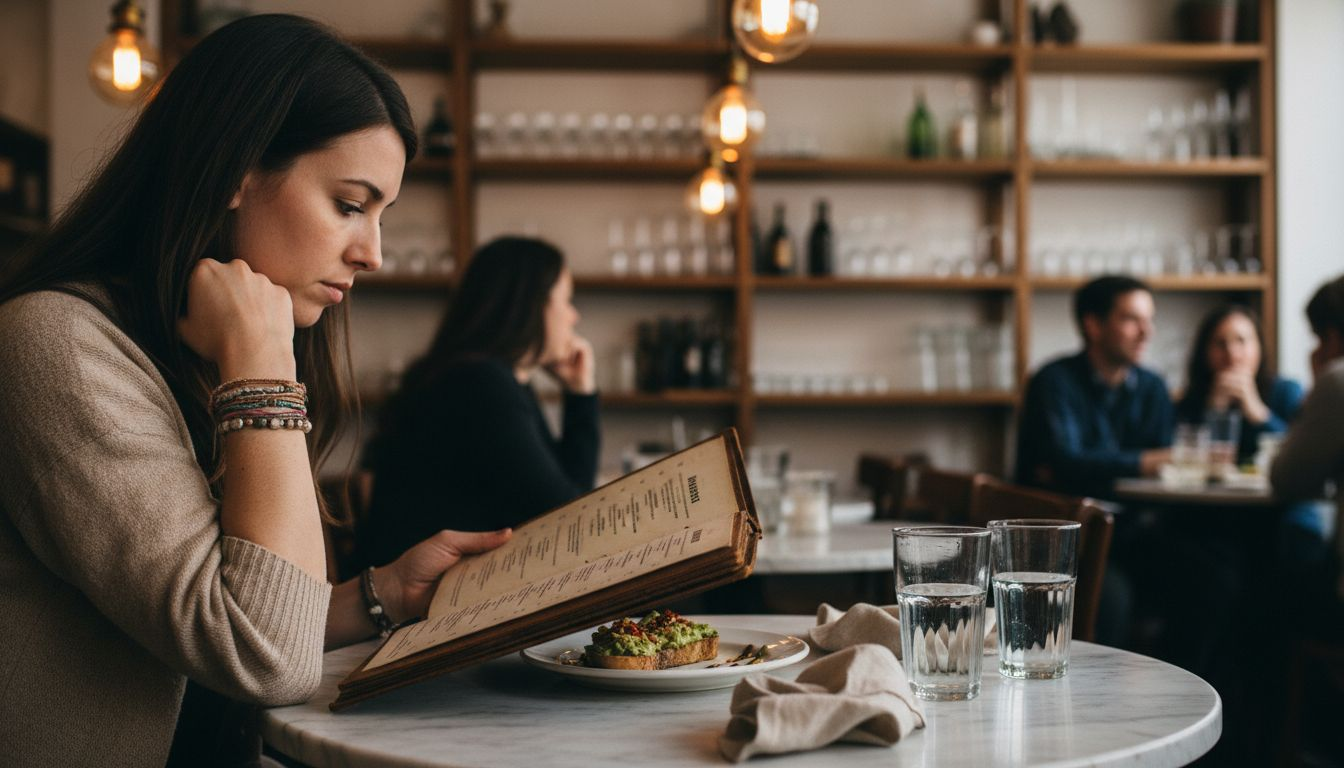
Service quality and atmosphere form the second critical dimension of your selection process. This extends beyond polite servers and pleasant decor. You’re evaluating whether the restaurant staff understands anticipatory service—knowing when to be present and when to fade into the background. The ambiance should support conversation and connection without overwhelming the senses. For couples in your demographic, research indicates that word-of-mouth recommendations from trusted sources heavily influence restaurant choices, particularly for special occasions or milestone celebrations. A recommendation from a friend who understands your preferences carries far more weight than online ratings from strangers. Additionally, the overall dining context matters significantly—are you celebrating an anniversary, exploring new cuisines, or seeking a quiet evening away from Austin’s busier social scene? Your selection criteria shift based on the occasion and what you hope to experience.
The final consideration involves social proof and reputation, but with an important distinction. While brand reputation influences decisions, the specific type of reputation matters more for refined diners. You’re less interested in a restaurant that’s currently trending on social media and more focused on establishments with sustained recognition for culinary excellence and consistent service. This is where local knowledge and curated guidance become invaluable. Rather than navigating Austin’s restaurant scene alone—where you might encounter mediocre experiences disguised by marketing buzz—having access to expert recommendations filtered through an understanding of your specific preferences streamlines the entire selection process. This approach removes the uncertainty from your dining choices and ensures that each restaurant visit delivers the caliber of experience you’re seeking.
Pro tip: When evaluating a potential restaurant, reach out directly to the chef’s staff or management to discuss any special requests or dietary considerations before your reservation—restaurants that welcome this conversation typically demonstrate the personalized service standards you’re seeking.
Variations in Curating Austin Experiences
Austin’s restaurant scene refuses to fit into a single category, which is precisely what makes the city so compelling for discerning diners. When you’re selecting where to spend an evening, you’re not choosing between identical establishments with minor differences. Instead, you’re choosing between fundamentally different philosophies about what a dining experience should deliver. Austin’s culinary landscape spans from intimate chef-driven concepts to elaborate immersive presentations, from Texas heritage celebrations to cutting-edge molecular cuisine, from farm to table sustainability movements to niche ethnic culinary traditions. Each approach attracts different guests and serves different occasions. Understanding these variations helps you match your selection process to the type of experience you’re actually seeking on any given evening.
Experience Categories in Austin’s Culinary Landscape
The first variation centers on immersive and interactive dining experiences. These restaurants move beyond plating and presentation to engage multiple senses and create memorable moments of active participation. Think chef’s tasting menus where you’re invited into conversation with kitchen staff, interactive tableside preparations, or venues that use technological enhancements like projection mapping and ambient soundscapes to transform the dining environment. For couples seeking connection and novelty, these experiences provide built in conversation starters and shared moments of discovery. The research on Austin’s dining scene shows that restaurants increasingly incorporate theatrical elements and interactive components that make dinner feel less like consumption and more like cultural participation. However, these experiences demand time, openness, and a certain appetite for unpredictability. They’re ideal for special occasions or when you want to feel transported beyond your everyday reality.
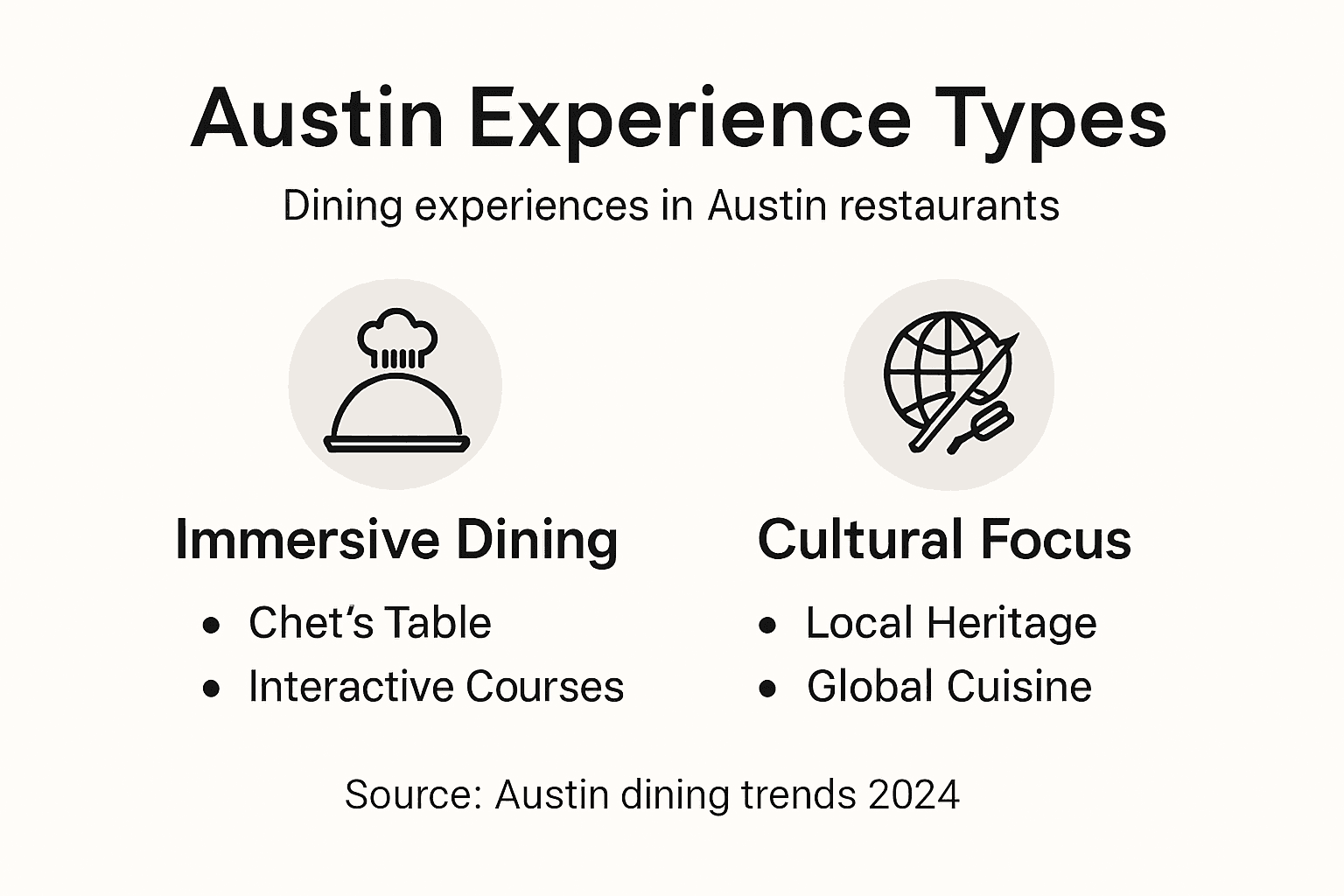
The second major variation involves cultural and heritage focused dining. Austin’s eclectic character attracts restaurants that use their cuisine and ambiance to celebrate specific traditions, whether that’s authentic Texas heritage expressed through menu design and rustic atmosphere, or menus that honor specific ethnic culinary traditions with genuine respect and expertise. These establishments appeal to couples who value authenticity and connection to place. When you dine at a restaurant rooted in cultural tradition, you’re gaining access to generational knowledge and techniques that can’t be replicated through trends. The difference between a restaurant that genuinely celebrates its heritage versus one that merely applies it aesthetically becomes immediately apparent through details like sourcing decisions, recipe authenticity, and staff knowledge. Understanding curated Austin itineraries for luxurious travel often means recognizing which establishments prioritize cultural integrity alongside culinary excellence.
The third variation highlights sustainability and sourcing focused experiences. These restaurants organize their entire operation around relationships with local producers, seasonal ingredient availability, and transparent sourcing practices. For affluent diners, this approach offers something money alone can’t purchase elsewhere: participation in a movement toward responsible consumption and direct connection with Austin’s agricultural community. Rather than a static menu that serves the same dishes year round, these restaurants shift their offerings based on what’s available from their network of Hill Country farmers and specialty producers. This requires flexibility from guests, but it also guarantees that every meal reflects the current moment in Austin’s growing season. The investment in these relationships often results in superior ingredient quality and flavor complexity that justifies premium pricing.
The final significant variation involves culinary innovation and avant garde approaches. Some Austin restaurants position themselves at the intersection of science, art, and flavor, using modern techniques and experimental presentation to challenge conventional thinking about what food can be. These venues appeal to couples who view dining as intellectual exploration and enjoy the conversation that emerges from unexpected flavor combinations or surprising textural contrasts. This category of restaurants requires active engagement and curiosity. You’re not simply consuming food but participating in the chef’s creative investigation.
Here’s how Austin’s premium dining experiences differ by type:
| Experience Type | Guest Expectation | Example Attribute |
|---|---|---|
| Immersive & Interactive | Active participation, novelty | Chef engagement at table |
| Heritage Focused | Authenticity, tradition | Regional ingredient sourcing |
| Sustainability Driven | Seasonal, local emphasis | Menus adapt to harvest |
| Innovation & Avant Garde | Creative, experimental | Modern plating techniques |
Pro tip: When booking a restaurant, ask the reservation team specifically what makes their experience unique compared to other fine dining options in Austin, then match their answer to the type of experience variation you’re seeking that evening rather than assuming all upscale restaurants deliver the same thing.
Key Criteria for Restaurant Selection
When you’re evaluating Austin restaurants for your next evening out, your decision hinges on a specific set of criteria that research consistently identifies as most important to discerning diners. These criteria form a hierarchy, and understanding how to prioritize them based on your specific occasion transforms an overwhelming decision into a straightforward one. Academic research examining customer preferences across dining contexts reveals that food quality, service excellence, pricing strategy, and ambiance consistently rank as the dominant factors influencing restaurant selection. However, the weight you assign to each criterion shifts depending on whether you’re celebrating a milestone, seeking casual exploration, or looking for a business appropriate venue. For affluent couples in Austin seeking elevated experiences, the interplay between these factors becomes more nuanced than for casual diners, requiring a deeper understanding of what each criterion truly represents.
The Hierarchy of Selection Criteria
Food quality occupies the foundation of your decision framework. This extends far beyond whether the food tastes good. Food quality encompasses the chef’s understanding of flavor balance, the freshness and sourcing of ingredients, the technical execution of cooking methods, and the creativity applied to menu development. When evaluating food quality, you’re assessing whether the kitchen demonstrates consistency, whether they understand their own menu well enough to accommodate modifications thoughtfully, and whether their plating and presentation reflect intentionality. Austin’s restaurant scene includes establishments where food quality is exceptional but consistency wavers based on chef availability or staffing changes. Quality restaurants maintain standards regardless of circumstances. Research on restaurant selection shows that for premium diners, food quality becomes non negotiable. You would rather eat excellent food in a modest setting than mediocre food in a beautiful room.
Service quality represents the second critical criterion, particularly for couples seeking connection during your meal. Service quality involves technical competence: Does your server understand the menu deeply enough to make recommendations? Can they coordinate timing so courses arrive appropriately spaced? Do they demonstrate knowledge about wine pairings or beverage options? Beyond technical competence, service quality includes emotional intelligence. Exceptional servers recognize when you want conversation and when you want privacy. They anticipate needs before you voice them. They handle complications with grace and genuine concern rather than defensive explanations. The research indicates that for celebratory occasions and premium dining experiences, service quality gains prominence in your selection criteria. A restaurant with good food and exceptional service creates a memory. A restaurant with exceptional food and indifferent service leaves you frustrated.
Ambiance and atmosphere function as the container holding your experience together. This includes obvious elements like lighting, noise levels, decor, and music selection, but also subtle factors like how welcoming the entrance feels, whether tables provide appropriate spacing for private conversation, and whether the overall design reflects intentionality or feels thrown together. For affluent couples, ambiance should support your dining experience rather than demand attention. You’re not seeking Instagram worthy backdrops so much as environments that feel curated and considered. A restaurant with poor ambiance requires you to overcome environmental resistance to enjoy your meal. A restaurant with intentional ambiance amplifies the quality of what you’re already experiencing.
Pricing deserves separate consideration because it functions differently depending on context. Research examining restaurant selection across occasions reveals that price becomes the dominant factor for quick service dining but gains a different role for premium experiences. When you’re selecting an upscale restaurant in Austin, you’re not looking for the least expensive option. Instead, you’re assessing whether the pricing reflects genuine value proportional to what you receive. Fair pricing for premium restaurants means the cost aligns with ingredient quality, service standards, and overall execution. Underpriced restaurants sometimes signal that something is being compromised. Overpriced establishments fail to deliver corresponding quality. Your role involves evaluating whether the price point feels authentic to what’s being delivered.
Word of mouth and trusted recommendations carry substantial weight in your selection process, particularly more than they do for casual diners. Research shows that recommendations from sources you trust influence your choices more than online ratings or marketing materials. This is because someone familiar with your preferences and standards filters recommendations through understanding of what you actually value. A trusted friend’s recommendation that a restaurant is wonderful carries more credibility than 4.8 stars from 2,000 strangers who may have entirely different priorities than you do.
Below is a summary of how selection criteria shape refined restaurant choices:
| Selection Criterion | Refined Guest Perspective | Impact on Experience |
|---|---|---|
| Food Quality | Demands consistency & creativity | Sets culinary benchmark |
| Service Standard | Values attentiveness & timing | Defines hospitality feel |
| Ambiance | Seeks intentional, curated setting | Encourages relaxation & connection |
| Pricing | Looks for value justification | Signals overall quality |
| Trusted Advice | Relies on informed recommendations | Reduces selection risk |
Pro tip: Before committing to a reservation at an unfamiliar restaurant, request to speak briefly with the chef or dining director about your preferences and any special occasions you’re celebrating—their responsiveness and genuine interest in understanding your expectations reveals whether they prioritize guest satisfaction at the level you require.
Personalized Dining and Hospitality Standards
Personalization has moved from optional luxury to an expected standard when you’re selecting premium dining experiences in Austin. What distinguishes a truly refined restaurant from a merely good one often comes down to whether the establishment treats you as an individual with specific preferences rather than as table number seven. Research examining hospitality personalization reveals that customized service experiences significantly enhance customer satisfaction and foster lasting loyalty. When a restaurant remembers that you prefer your vegetables cooked to a specific doneness, that you have a mild shellfish allergy, or that you celebrate your wedding anniversary on the upcoming Saturday, that attention transforms a meal into a personalized event. For affluent couples seeking elevated experiences, personalized dining represents the intersection of luxury, respect, and genuine hospitality that justifies premium pricing.
Understanding Personalization Beyond the Menu
Personalization extends far beyond menu modifications, though menu customization certainly matters. When you call to make a reservation and mention that you’re celebrating a milestone, exceptional restaurants document this information and ensure the entire team understands the significance of your visit. Your server arrives informed about your occasion without you needing to announce it. The kitchen may prepare a special amuse bouche or modify the final course to include a meaningful flourish. Sommeliers recall whether you prefer Old World or New World wines, whether you enjoy natural wines, or whether you prefer to avoid alcohol entirely. The host team anticipates your arrival time and ensures your preferred table is available if you have preferences about location, lighting, or noise levels. This level of attention reflects genuine personalization rather than performative gestures. Research on hospitality personalization emphasizes that guests distinguish between authentic customization and scripted attempts at personalization. Authentic personalization feels intuitive because the staff understands your values and preferences deeply enough to anticipate needs.
The second dimension of hospitality personalization involves service timing and presence. Different occasions demand different pacing. An intimate dinner for two benefits from slower service with longer pauses between courses for conversation. A business dinner requires brisk efficiency and timing that respects your schedule. Anniversary celebrations often call for romantic atmosphere and minimal interruption except when necessary. Exceptional restaurants read these contexts and adjust their service approach accordingly. Your server notices when you’ve finished talking and are ready for the next course versus when you’re mid conversation and need more time. They recognize when you want recommendations and when you prefer to make selections independently. This adaptive service approach requires staff training that goes beyond standard hospitality protocols. It demands genuine engagement and attentiveness rather than following a checklist.
The third critical element involves dietary preferences and restrictions handled with sophistication. When you inform a restaurant that you avoid certain foods for health, ethical, or religious reasons, exceptional establishments treat this as an opportunity to showcase their culinary creativity rather than as a constraint. Personalized hospitality experiences in Austin ensure that dietary modifications feel intentional and curated rather than like substitutions. A restaurant might prepare a specialized tasting menu that parallels the regular menu in quality and creativity rather than offering simplified alternatives. They communicate with you about your restrictions in advance so they can source appropriate ingredients and plan courses thoughtfully. This approach respects your needs while maintaining the caliber of experience you deserve.
The fourth dimension centers on knowledge and recommendation personalization. When your server or sommelier makes recommendations, they’re filtering suggestions through understanding of your demonstrated preferences rather than pushing what’s profitable or what they personally enjoy. If you’ve indicated preference for lighter proteins, they won’t recommend the heaviest dish on the menu. If you expressed interest in learning about local Hill Country producers, they’ll discuss sourcing with genuine enthusiasm. If you mentioned celebrating a significant career achievement, they might recommend wines from a particular vintage year that corresponds to your accomplishment. These personalized recommendations feel considerate and attentive rather than generic.
Accessing this standard of hospitality requires communicating openly when making reservations or in advance of your visit. Restaurants cannot personalize experiences when they lack information about what matters to you. Share relevant details about occasions, preferences, restrictions, and interests. Excellent establishments will follow up with clarifying questions rather than making assumptions. When you encounter restaurants that ask thoughtful questions, respond in detail. When staff demonstrates genuine interest in understanding your preferences, reciprocate by expressing appreciation for their attentiveness. This creates a collaborative relationship where personalization becomes genuinely meaningful rather than performative.
Pro tip: When booking a premium restaurant, provide specific details about your occasion and preferences in writing rather than verbally, then confirm the restaurant received your information by calling back to discuss how they plan to personalize your experience—this ensures your preferences translate into actual service decisions rather than getting lost in reservation notes.
Ensuring Safety and Seamless Coordination
When you’re investing in an elevated dining experience in Austin, your peace of mind depends on restaurants maintaining rigorous safety standards and coordinating seamlessly across their entire operation. Safety in food service extends far beyond basic cleanliness. It involves systematic protocols that prevent foodborne illness, careful ingredient handling from delivery through preparation, and consistent monitoring that catches potential problems before they reach your plate. Research on food service safety emphasizes that restaurants must implement comprehensive training programs and ongoing monitoring to maintain uniform compliance across all staff members. For premium establishments catering to affluent diners, food safety represents a non negotiable foundation upon which every other aspect of hospitality is built. When you select a restaurant, you’re implicitly trusting that their food safety systems operate invisibly but flawlessly, allowing you to enjoy your meal without concern.
Safety Standards and Regulatory Compliance
Food safety protocols in quality restaurants follow internationally recognized standards designed to protect public health while maintaining food quality. Many establishments adopt frameworks like HACCP (Hazard Analysis and Critical Control Points) or pursue certifications that demonstrate commitment to safety. These systems identify potential hazards in food handling and establish critical control points where risks can be minimized. A restaurant following proper HACCP protocols maintains detailed records about ingredient sourcing, temperature monitoring, storage conditions, and preparation procedures. When restaurants earn certifications demonstrating compliance with ISO standards or other international food safety frameworks, they’re signaling that their operations have been evaluated against rigorous criteria. However, not all excellent restaurants pursue formal certifications, so the absence of visible certifications doesn’t necessarily indicate poor safety practices. What matters more is whether a restaurant demonstrates genuine investment in staff training, maintains clean facilities, and can explain their safety procedures with confidence when asked.
Beyond food safety, regulatory compliance ensures restaurants operate within legal requirements established to protect diners. Every restaurant must meet health department standards, maintain proper licensing, handle allergenic ingredients transparently, and document their procedures. When selecting a restaurant, you can verify basic compliance by checking whether they hold current health permits and have no significant violations on record. Most health departments maintain searchable databases of inspection results. While occasional minor violations happen in any busy kitchen, a pattern of serious violations regarding food storage, temperature control, or pest management indicates deeper problems. Reputable restaurants welcome questions about their compliance status and can explain how they address any citations. They view health and safety as central to their mission rather than as bureaucratic obligations to minimize.
Coordination Across the Entire Dining Experience
Seamless coordination between front of house and back of house operations determines whether your evening flows smoothly or becomes interrupted by miscommunications and delays. When you specify dietary restrictions, allergies, or preferences during your reservation, this information must transfer accurately to the kitchen. Your server must understand these specifications clearly enough to communicate them to the chef without ambiguity. The kitchen team must prepare accordingly. Timing coordination ensures your appetizers arrive when appropriate, your entrees come out when the table is ready, and courses progress at a pace that supports conversation and enjoyment. This level of coordination requires systems, training, and genuine attentiveness from every team member.
Coordination also extends to managing special requests and unexpected circumstances. If you arrive with a severe nut allergy, the restaurant must prevent cross contamination by isolating your meal preparation, using separate utensils, and ensuring nothing touches your food that has contacted nuts. If you have mobility concerns, the restaurant should offer accessible seating without making you request it explicitly. If you celebrate a milestone, the team should coordinate surprise elements that feel genuine rather than forced. The role of coordination in luxury tours demonstrates how seamless logistics create experiences where guests feel cared for rather than managed. Similar principles apply in restaurants where coordination becomes invisible when executed well but obvious when failures occur.
When evaluating a restaurant’s safety and coordination standards, ask direct questions. How do they handle allergen requests? What training do their staff members receive? Can they explain their food safety procedures? How do they ensure information about your preferences transfers from reservation to kitchen to table? Restaurants confident in their systems will answer these questions thoroughly. Those that dismiss questions or provide vague responses may not have thought deeply about these critical systems. Your selection of restaurants should include assessing whether their operational foundation supports the elevated experience you’re seeking.
Pro tip: Always inform restaurants of allergies and serious dietary restrictions when making reservations rather than at your table, then call back a day before your visit to confirm they received your information and understand exactly how they’ll accommodate your needs—this double confirmation ensures your safety doesn’t depend on reservation notes being communicated correctly.
Elevate Your Austin Dining Experience Without the Stress
Selecting the perfect restaurant in Austin involves balancing quality food, personalized service, authentic atmosphere, and seamless coordination. You want more than just a place to eat—you want an elevated experience that respects your refined tastes and busy lifestyle. Trinity Concierge understands the complexity of discerning dining choices and removes the guesswork by offering curated luxury experiences that include seamless transportation to Austin’s finest restaurants, allowing you to focus on what truly matters: connection, enjoyment, and discovery.

Discover how we transform your day with thoughtful coordination, exceptional hospitality, and insider access to exclusive events and dining options. Whether you are celebrating a milestone or simply craving an authentic Austin culinary adventure, Booking Events | Trinity Concierge ensures every detail is meticulously handled from start to finish. Stop worrying about parking, traffic, or reservations. Step aboard our premium motorcoach and experience Austin like a true insider by visiting https://trinityconcierge.net today.
Frequently Asked Questions
What factors should I consider when choosing a restaurant for an elevated experience?
When selecting a restaurant, consider menu offerings, service quality, atmosphere, pricing, and social influences. These elements help ensure your dining experience meets your expectations for quality and connection.
How important is menu alignment in the restaurant selection process?
Menu alignment is crucial for discerning diners looking for an elevated experience. It involves assessing whether a restaurant’s culinary philosophy and offerings match your preferences and dietary needs, as well as the quality of ingredient sourcing and preparation methods.
What role does service quality play in my dining experience?
Service quality significantly affects your overall dining experience, especially for special occasions. Exceptional service includes anticipatory and emotional intelligence, ensuring your needs are met without intrusive interruptions.
How can I ensure a restaurant prioritizes personalized service?
To evaluate a restaurant’s commitment to personalized service, inquire about their approach to reservations and dietary requests. Look for genuine interest in your preferences and the ability to accommodate special occasion details, which reflects their focus on individualized hospitality.
Recommended
- 7 Expert Tips for an Upscale Austin Dining Experiences List | Trinity Concierge
- Hidden Austin Restaurants Workflow: VIP Access Explained | Trinity Concierge
- 7 Reasons Why Choose Austin for Foodies’ Luxury Experience | Trinity Concierge
- Understanding Austin’s Culinary Outings: A Delectable Journey | Trinity Concierge
- What Is Experiential Tourism? Complete 2024 Overview | Flight Of Aloha