
Every couple looking for a refined day in Austin deserves more than just a basic itinerary. When you want your luxury outing to truly reflect your personality, personalized hospitality becomes the difference between feeling like a guest and feeling genuinely understood. From contextual experiences that adapt as you explore to co-created moments shaped with your preferences, discover how the newest approaches to hospitality combine cultural immersion, dedicated service, and advanced technology to craft a memorable adventure tailored to you.
…
Types of Personalized Hospitality Experiences
Personalized hospitality experiences fall into distinct categories, each designed to create meaningful connections with guests. Research identifies three primary types: contextual experiences, customized services, and co-created moments. Understanding these distinctions helps you recognize what makes each type special and how they work together to create the kind of memorable Austin adventure that sets your day apart from a standard tour.
Contextual experiences adapt in real time based on your preferences, behaviors, and immediate surroundings. These are the moments when a guide notices you lingering at a particular street art installation and pivots to share the artist’s story, or when the driver adjusts the route because you expressed interest in live music venues. Customized services go deeper by building on information you’ve shared beforehand, whether that is dietary preferences for restaurant selections, pacing that suits your energy level, or cultural sites aligned with your background. Co-created experiences represent the most sophisticated form of personalization, where you actively participate in shaping the itinerary as it unfolds. Rather than following a predetermined script, you and your companions influence which hidden gem gets visited, how long you stay at each stop, and what spontaneous detours feel right in the moment. When exploring personalized travel experiences, you’ll notice that the best moments often blend all three types seamlessly throughout your day.
Here’s a comparison of the three main types of personalized hospitality experiences:
| Experience Type | How It Works | Example in Practice |
|---|---|---|
| Contextual | Adapts in real time to guest actions | Guide pivots to local art story |
| Customized Services | Based on detailed information collected upfront | Itinerary matches guest preferences |
| Co-Created | Guest shapes itinerary as experience unfolds | Group chooses next stop together |
How These Experiences Show Up in Practice
Personalized communication forms the foundation of exceptional hospitality. This means your guide and concierge team are attuned not just to what you say, but to how you say it, adjusting tone and pacing accordingly. Someone celebrating an anniversary gets different attention than a couple marking a milestone work achievement, even if both groups visit the same venues. Tailored services during your experience reflect the specific details you care about: priority seating that works for your mobility needs, restaurant selections that honor your culinary adventures, or activity timing that prevents overwhelm.
Customized loyalty and recognition programs represent another practical category. When hospitality providers know your preferences from previous visits, they can anticipate needs before you voice them. Your favorite coffee order appears in your suite, the restaurant table is positioned exactly where you like it, and the afternoon activity schedule leaves room for the kind of downtime you genuinely value. The depth of personalization depends on how well the team integrates information and genuinely implements those preferences rather than simply noting them.
The Technology and Human Touch Balance
Modern personalization uses technology to gather and organize guest preferences, but the real magic happens through human judgment. Artificial intelligence can predict that you might enjoy a particular restaurant based on your history, yet your guide’s recommendation carries weight because they understand the context of your trip, your companion’s expectations, and the specific mood you are in today. The most exceptional experiences combine these elements, using data to inform service while relying on genuine attention and intuition to deliver moments that feel organic rather than algorithmic.

Pro tip: When booking your Austin experience, share specific details about what brings you joy, not just logistics, because guides use these insights to craft moments that feel uniquely designed for you rather than a generic luxury tour.
How Personalized Hospitality Works on Tours
Personalized hospitality on tours operates through a deliberate blend of communication, data integration, and real time adjustments that transform a standard itinerary into something uniquely yours. Before your tour even begins, the process starts with comprehensive conversations about your preferences, interests, mobility considerations, and what you hope to experience during your day in Austin. This isn’t about checking boxes on a form. Instead, guides and concierge specialists are genuinely curious about what matters to you, whether that involves trying a specific cuisine, exploring a particular neighborhood, or having time for spontaneous discoveries. Once your tour is underway, the real magic happens through continuous communication. Your guide isn’t locked into a predetermined script but rather responds dynamically to your energy, interests, and reactions throughout the day. Notice you stopping longer at a local mural? The guide pivots to share the artist’s story. Mention offhand that you love live music? Suddenly, your afternoon includes a stop at a venue with performances. This approach to personalized tour planning requires guides who listen more than they talk and who understand that personalization means flexibility.
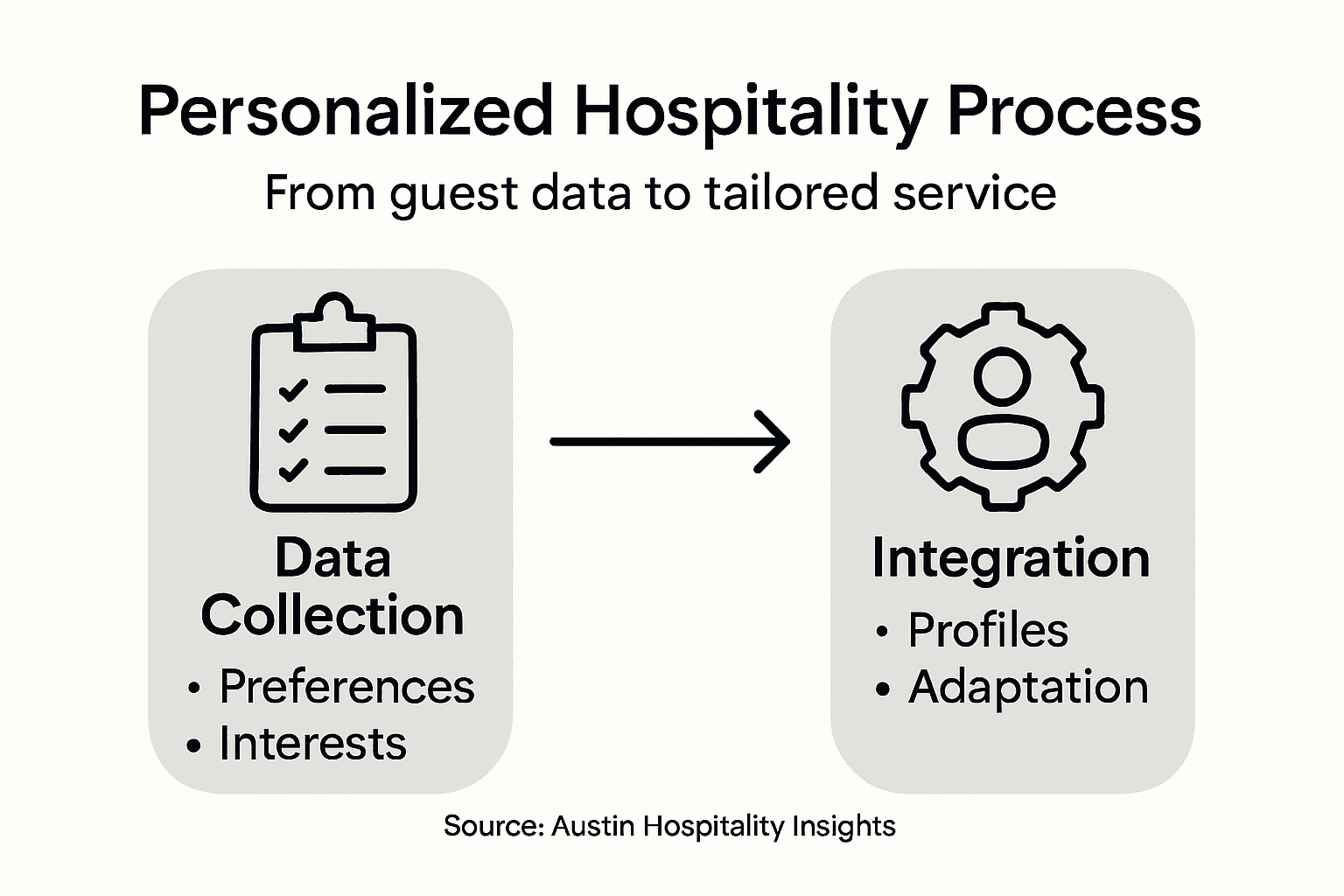
The Data Collection and Integration Process
Behind the scenes, personalized hospitality relies on thoughtful data gathering about multiple dimensions of your preferences. This includes cultural interests, dietary requirements, physical accessibility needs, your preferred pace of travel, whether you prefer group interaction or intimate moments, and your familiarity level with Austin. Rather than feeling intrusive, this information gathering happens organically through conversation. A guide asking about your favorite type of cuisine isn’t being nosy, they are setting themselves up to make restaurant selections that actually excite you rather than default to the most popular options. The integration of this data shapes every decision, from which neighborhoods you visit to how much time you spend at each location. Technology assists this process by organizing preferences and tracking details from previous visits if you return, allowing the team to remember that you preferred a quieter restaurant last time or that you wanted more time exploring street art than visiting museums. This systematic approach ensures that personalization isn’t dependent on a single team member remembering you, but rather embedded into how your experience is designed from start to finish.
Real Time Adaptation Throughout Your Experience
What truly distinguishes personalized hospitality on tours is the commitment to adapting in the moment. Your guide watches for signs of fatigue and suggests a break at a favorite local coffee shop. They notice you and your companion have an easy rapport and adjust group stops accordingly. If weather changes unexpectedly, they pivot to indoor cultural experiences rather than stubbornly sticking to outdoor plans. This real time responsiveness requires guides trained in service excellence and empowered to make decisions that prioritize your experience over operational convenience. The most sophisticated tours recognize that personalization extends beyond activities and dining into the pacing and emotional tone of your day. Some couples want to pack maximum experiences into their hours together, while others prefer a slower rhythm that allows for conversation and connection. Exceptional guides recognize these preferences and honor them, understanding that a perfect day for one group might feel overwhelming to another.
The Human Element Remains Central
While technology supports personalization through information management and logistical coordination, the heart of personalized hospitality remains deeply human. Artificial intelligence might suggest a restaurant based on your preferences, but your guide’s personal recommendation carries weight because they understand the specific context of your trip. They know it is your anniversary, they sense that you want to feel special without being made a spectacle of, and they have the judgment to recommend a table with a view and timing that works for your energy level. The most exceptional personalized experiences balance technological efficiency with genuine human attention. Your guide uses tools to stay organized and informed, but ultimately they are present with you, noticing details, responding authentically, and creating moments that feel orchestrated yet spontaneous. This combination of preparation and presence, technology and intuition, is what transforms a luxury tour into a truly personalized experience that honors who you are and what brings you joy.
Pro tip: Share not just what you want to see, but how you like to experience things, because guides use communication preferences and pacing details to deliver moments that feel naturally aligned with who you are rather than a standard luxury itinerary.
Essential Elements of Personalized Service Delivery
Exceptional personalized service delivery rests on several foundational elements that work together to create experiences that feel genuinely tailored to you. The first element is meaningful data collection that goes beyond surface level preferences. This means understanding not just what you like to do, but why you like it, how you prefer to engage with new experiences, and what kind of atmosphere helps you feel most at ease. A quality hospitality team asks thoughtful questions during your initial consultation and listens carefully to the answers. They want to know if you are celebrating something special, if you have any physical considerations that affect your comfort, what your pace preference is, and whether you prefer being part of group energy or having quieter moments with your companion. The second critical element is staff empowerment. Team members at every level, from your guide to the driver to the restaurant host, need the authority to make decisions that prioritize your experience. When your guide notices you are getting tired but won’t say anything, they have the power to suggest a break without waiting for permission from management. When your dietary preference gets communicated to a restaurant, the staff knows they can make substitutions or adjustments without creating bureaucratic delays. This empowerment creates a level of responsiveness that predetermined scripts simply cannot achieve. When exploring concierge service benefits, you will notice that the best experiences consistently feature staff who seem to anticipate needs and solve problems proactively rather than reactively.
Building Genuine Human Connection
Beyond logistics and preferences, personalized service delivery depends on authentic human connection and genuine empathy. This means your guide sees you as an individual with your own story, not as another group to shepherd through Austin. They notice when you and your companion share a quiet moment and give you space for it rather than jumping in with commentary. They recognize when you are genuinely fascinated by something and expand on that topic rather than moving mechanically to the next agenda item. They understand that exceptional service means sometimes doing the opposite of what was planned because they sense it is what you actually need in that moment. This human element cannot be automated or scripted. Technology can inform decisions, but genuine empathy requires presence and attention. Research consistently shows that emotional engagement creates the memories guests carry long after a tour ends. You might forget the exact details of a restaurant menu, but you will remember how a guide made you feel heard and understood. The most sophisticated hospitality operations recognize this and hire guides who naturally possess warmth, curiosity, and emotional intelligence, then train them to develop these qualities further.
The Technology and Relationship Balance
Modern personalized service delivery leverages technology strategically without allowing it to replace human judgment. AI systems can analyze your preferences and suggest relevant experiences based on patterns in similar guests, helping guides make better recommendations. Customer relationship management systems ensure that details about your preferences are recorded and accessible to the team, so you don’t have to repeat yourself if you return. Communication tools allow your concierge to coordinate seamlessly across restaurants, activity providers, and logistics, creating the appearance of magic when everything unfolds smoothly. However, these tools serve the human experience rather than define it. A guide checking their phone to verify a restaurant detail is useful. A guide primarily focused on their phone rather than on you is not. The balance is critical. Personalized service excels when technology handles the organizational complexity behind the scenes, freeing guides and hospitality staff to focus entirely on quality interaction and genuine attention to you.
Anticipation and Responsiveness as Core Skills
Two additional elements distinguish truly exceptional service delivery from standard hospitality. Anticipation means your team thinks ahead about what you might need and has things in place before you ask. If you mentioned you love a certain type of coffee, it is available on the motorcoach. If you indicated interest in local artists, a stop at a gallery is naturally woven into your itinerary. If you are celebrating an anniversary, special touches appear without you orchestrating them. This anticipatory approach requires staff who genuinely understand your preferences and have the creative thinking to implement them thoughtfully. Responsiveness means when something unexpected happens, your team adapts quickly and keeps your experience on track. Weather changes, traffic delays, or a restaurant closing unexpectedly would derail a standard tour. In personalized service delivery, guides pivot seamlessly to alternatives that still honor what you wanted from that experience. This combination of anticipation and responsiveness creates a sense that someone is always thinking about your comfort and enjoyment, which is the hallmark of truly exceptional hospitality.
Pro tip: During your pre tour consultation, share not just your interests but also your preferences around communication style, decision making pace, and how you like to learn about new places, because guides use these operational preferences to deliver service that feels intuitive rather than effortful.
Benefits and Common Pitfalls in Customized Hospitality
Customized hospitality delivers tangible benefits that go far beyond the immediate experience of your tour day. When a hospitality provider takes time to understand your preferences and builds an itinerary around them, guest satisfaction increases dramatically. You feel heard, understood, and valued, which transforms how you experience even familiar activities. A restaurant reservation becomes special because it was chosen specifically for you, not because it is the most popular option. An activity lands differently when you know your guide selected it based on genuine understanding of your interests rather than a standard rotation. This personalized approach also builds loyalty and repeat business. Couples who feel genuinely cared for return again and recommend the experience to friends. The hospitality provider who remembered your coffee preference or noted that you wanted more time at galleries gains your trust and your repeat business. Research shows that personalized hospitality drives higher customer satisfaction ratings, stronger loyalty, and increased likelihood of recommendations. Beyond individual experience benefits, customized hospitality also creates competitive differentiation. In a market with many tour companies, the one that delivers genuinely personalized experiences stands apart. When exploring the advantages of custom tour packages, you will find that the tangible benefits include not just memorable moments, but also better value because you are not paying for experiences that do not interest you.
Where Personalization Stumbles
However, customized hospitality is not without pitfalls, and understanding these challenges helps you recognize quality providers. The first major pitfall is inconsistency in execution. A hospitality company might collect detailed information about your preferences during booking, but then fail to communicate those preferences to your actual guide, resulting in disconnects between what was promised and what you experience. This inconsistency erodes trust quickly. You mentioned wanting a slower pace, but your guide still rushes through stops. You specified dietary restrictions, but the restaurant seems surprised when you state them. These gaps between promise and delivery undermine the entire personalization effort. Another critical pitfall involves privacy concerns and data handling. Collecting detailed information about your preferences, habits, and interests requires responsibility. If a hospitality provider is careless with your data or uses it in ways that feel invasive, personalization becomes creepy rather than caring. You should feel confident that information you share is protected, used only to enhance your experience, and not sold or misused. The third major pitfall is failing to balance customization with operational efficiency. Some hospitality providers get so focused on accommodating every preference that they create operational chaos. Guides are constantly adapting, nothing is consistent, and the behind-the-scenes coordination becomes impossibly complex. This approach ironically makes service worse because guides are stressed and scattered rather than present with you.
The following table summarizes benefits and common pitfalls of customized hospitality:
| Benefit | Pitfall | Result if Handled Well |
|---|---|---|
| High guest satisfaction | Inconsistent execution | Loyal, returning guests |
| Strong competitive edge | Poor privacy/data practices | Greater trust in provider |
| Experiences feel unique | Staff not trained or empowered | Memorable and recommended service |
| Value aligns with interests | Overcommitment and operational chaos | Smooth, efficiently personalized day |
Managing Expectations and Avoiding Overcommitment
A subtle but important pitfall involves overcommitting and underdelivering. A hospitality company might promise to customize everything, raising expectations to unrealistic levels, and then struggle to deliver consistently. Not every preference can be honored perfectly. Weather changes plans. Restaurants have limited menus. Sometimes what seems perfect in theory does not work in practice. The best personalized hospitality providers are honest about what they can customize and what they cannot, setting realistic expectations upfront. They communicate clearly about boundaries and explain why certain customizations are not possible, rather than promising the moon and delivering something different. Another pitfall is lack of staff training and empowerment. Personalization requires staff who understand your preferences and have the authority to make decisions. If a hospitality company collects detailed preference information but does not train guides to use it or empower them to make adjustments, the whole system breaks down. Your guide might have your preferences documented but feel bound by strict scripts, unable to adapt when needed. The most successful personalized hospitality balances data collection with genuine staff training and empowerment.
The Cost Factor and Implementation Reality
Customized hospitality is more expensive to operate than standard hospitality. Staff need training, data systems need to be maintained, and guides need flexibility in their schedules to accommodate changes. Some hospitality providers skip these investments and deliver poor personalization on top of higher prices, creating customer frustration. The honest truth is that true personalization costs more to provide, and you should expect to pay for it. Quality providers are transparent about this. They charge appropriately because they invest in the infrastructure and staff training necessary to deliver consistently. When you see personalized hospitality at a bargain price, it is often a red flag. The final pitfall to consider is inability to adapt across diverse customer expectations. What one couple experiences as perfect personalization might feel overwhelming to another couple who prefers more structure and consistency. Guides need training to recognize these differences and adapt their approach accordingly. A company that delivers one-size-fits-all personalization, applying the same customization techniques to every guest regardless of their preferences around customization itself, misses the point entirely. True personalization means understanding how you prefer to be served, including whether you want high touch customization or more autonomy with light guidance.
Pro tip: Before booking, ask a potential hospitality provider specifically how they ensure consistency between what you discuss during planning and what you experience with your guide, because this single factor separates providers who promise personalization from those who deliver it.
Elevate Your Austin Experience with Personalized Luxury Hospitality
Discover how Trinity Concierge transforms the challenges of personalized hospitality into seamless, unforgettable Austin adventures. The article highlights the importance of anticipating guest needs, balancing technology with a human touch, and adapting in real time to create meaningful, customized experiences. If you want to avoid the common pitfalls of inconsistent service or cookie-cutter tours, Trinity Concierge offers expertly trained guides and thoughtfully curated itineraries that respond to your unique rhythm, preferences, and interests.
Imagine a day where every detail is crafted to fit you perfectly from the moment you step aboard our high-end motorcoach. Forget about worrying over parking, logistics, or rushed stops. Instead, immerse yourself fully in Austin’s local culture, vibrant dining scenes, and hidden gems. Our commitment to personalized hospitality means your celebration, dietary preferences, pace, and interests are woven into every moment.
Are you ready to experience a personalized Austin journey designed just for you Visit our Booking Events | Trinity Concierge page to start planning your customized tour today
Unlock the true potential of personalized hospitality by choosing Trinity Concierge. Let us elevate every moment of your Austin exploration with attentive service and seamless coordination. Begin crafting your unique experience now at https://trinityconcierge.net and see how effortless and rewarding personalized luxury touring can be.
Frequently Asked Questions
What are the different types of personalized hospitality experiences?
Personalized hospitality experiences can be categorized into three types: contextual experiences, customized services, and co-created moments. Contextual experiences adapt in real time to guest preferences, customized services are based on prior information shared, and co-created moments involve guests actively influencing the itinerary as it unfolds.
How does data collection enhance personalized hospitality?
Data collection enhances personalized hospitality by understanding guests’ preferences in detail. This includes cultural interests, dietary requirements, and physical accessibility needs. Thoughtful data gathering allows hospitality providers to tailor experiences and make informed decisions, ensuring guests feel genuinely understood.
Why is human connection important in personalized hospitality?
Human connection is crucial in personalized hospitality because it fosters genuine empathy and creates memorable experiences. When staff members see guests as individuals and engage with them authentically, it enhances the overall service quality and emotional engagement, leading to a more satisfying experience.
What challenges do providers face in delivering personalized hospitality?
Providers face challenges such as inconsistent execution of personalized services, privacy concerns regarding data handling, and the difficulty of balancing customization with operational efficiency. Proper training, clear communication, and realistic expectations are essential to overcome these pitfalls and ensure quality service.
Recommended
- VIP Hospitality Workflow – Elevating Austin Experiences | Trinity Concierge
- Understanding Personalized Travel Explained for Unique Experiences | Trinity Concierge
- Understanding the Guide to Upscale Austin Experiences | Trinity Concierge
- Understanding Tips for Exploring Austin in Style | Trinity Concierge
- Rolle Af Events I Rejseoplevelser: Komplet Guide – Rejs i Danmark
- Luxury Salon Experience: Elevating Personal Style and Care – Joel C Ma Hair Studio